How we see it
Designed for life. Lessons from the Barbican
The Barbican estate doesn’t ease you in gently.
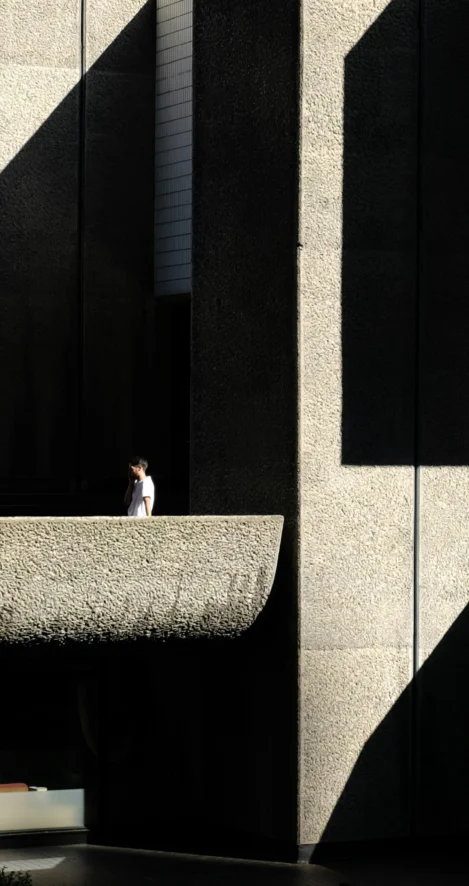
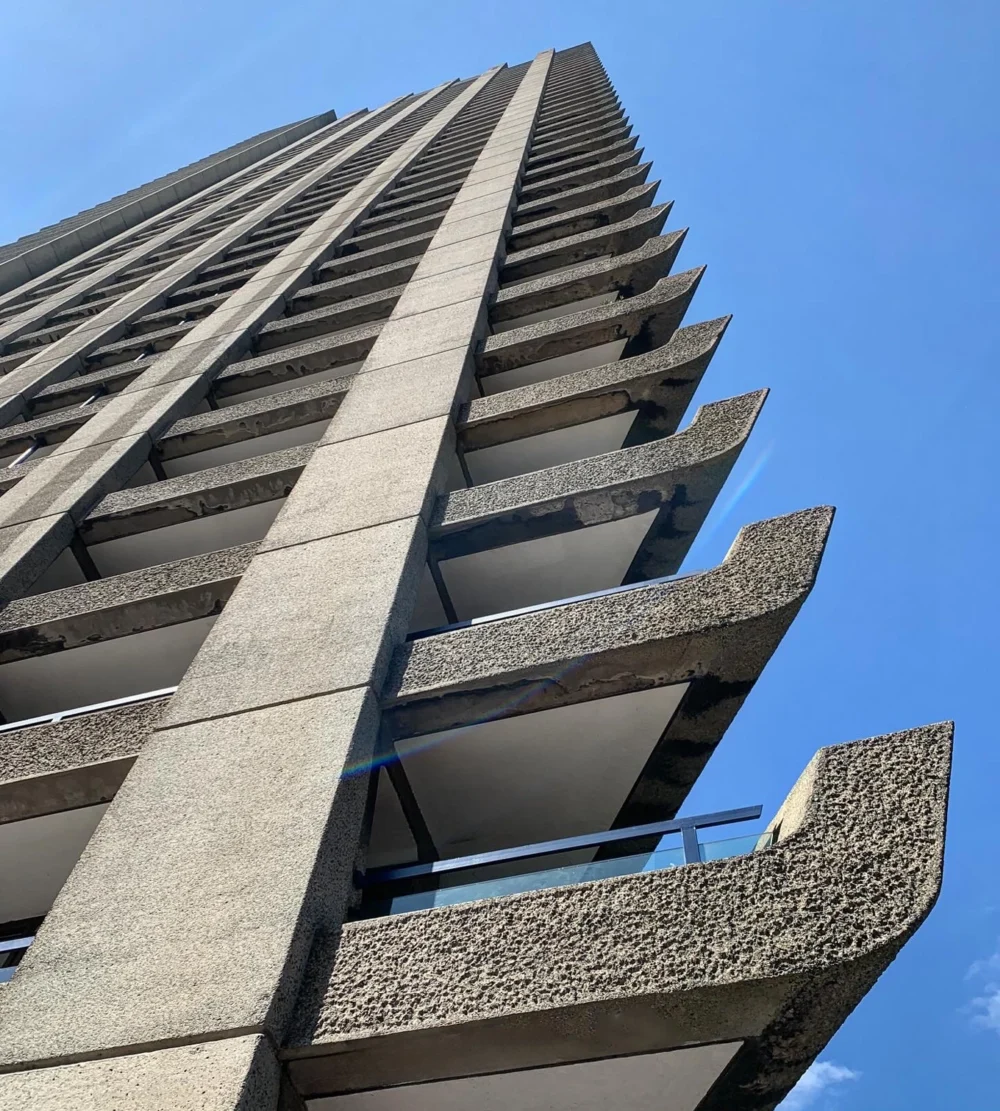
It confronts you with bold shapes, concrete and confidence. No half measures. No soft edges. It’s all shadows, lines, repetition, and defiance. It looks like it’s made its mind up before you’ve even arrived. I visited the estate recently for the first time, almost by chance on a sunny Sunday morning. I knew it by reputation, but I’d never had the chance to walk around in person. The first impressions were the usual clichés: brutal, grey, serious. You are never quite sure which way to turn next.
Then someone walked past with a loaf of bread tucked under their arm. A couple wandered across a walkway with a buggy. You notice pot plants. Fairy lights. A cat watching you from a window. Life starts to reveal itself in the cracks.
What struck me most was the contrast. The boldness of the architecture, yes, but also the way people have made it work for them. For all the weight and symmetry of the buildings, there’s room for softness. You just have to look a little longer.

Now that I’ve had time to reflect, it reminds me of something we often talk about in design: how strong identity systems can seem rigid at first, but end up being the very thing that allows creativity to spark. A grid system that gives clarity. A typeface that carries a shared voice. Once those rules are in place, things start to take shape.
Some of the best brand work we’ve been part of has started with structure. Organisations, both large and small, need systems to hold everything together. At first glance, these systems can feel restrictive. But in practice, they allow teams to tell better stories, with more consistency and confidence.
Structure doesn’t have to kill spontaneity, sometimes it’s the reason it can exist at all.
Karl Greaves – Director of Creative Strategy
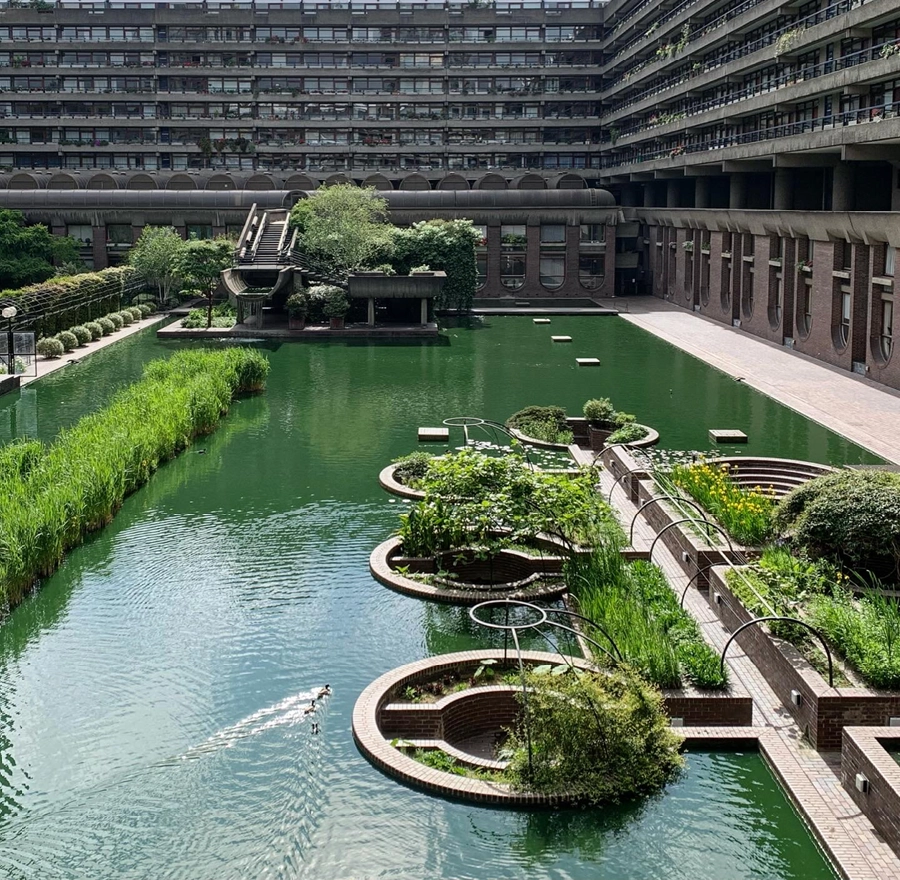
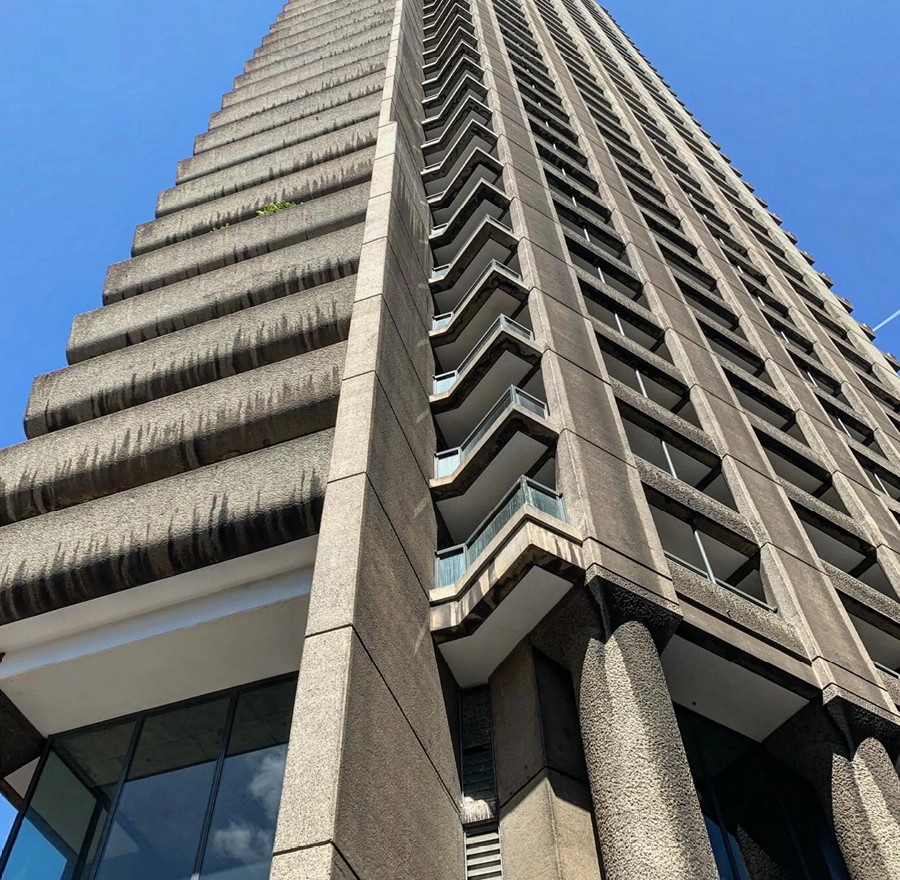
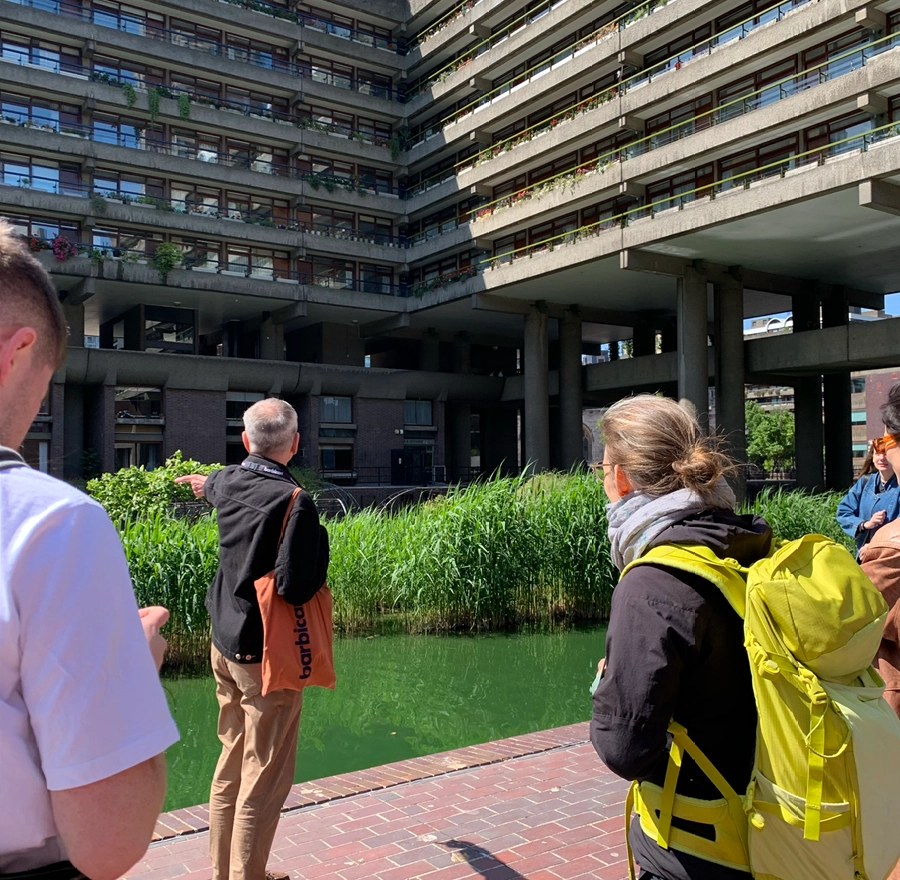
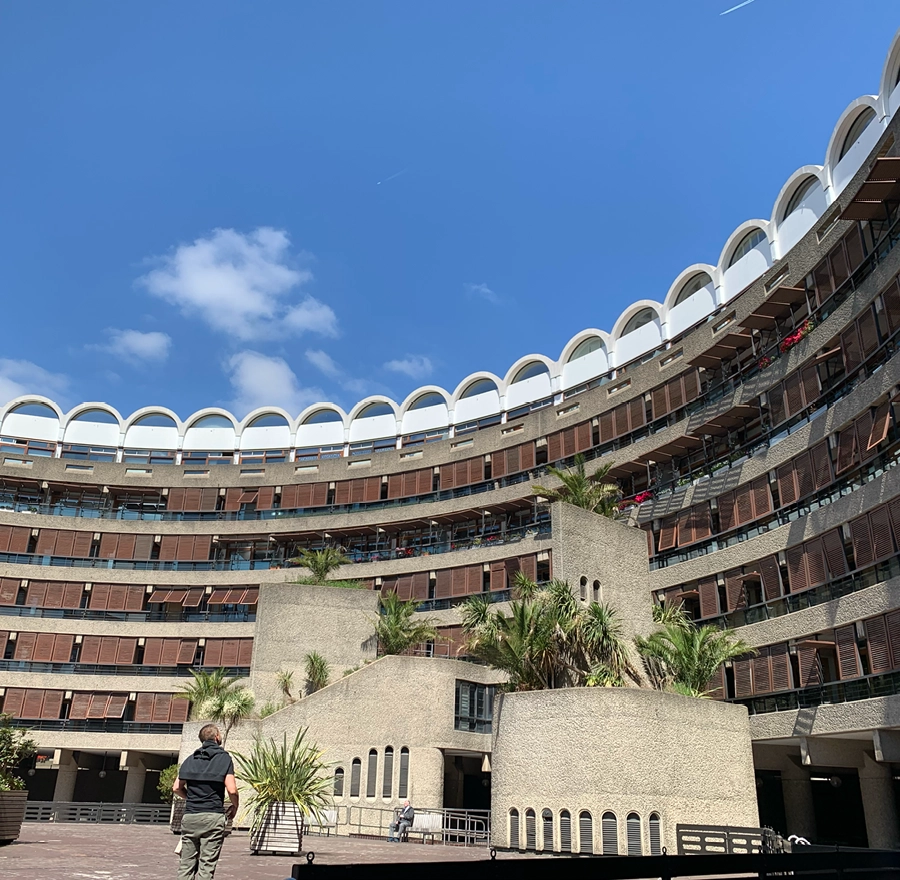
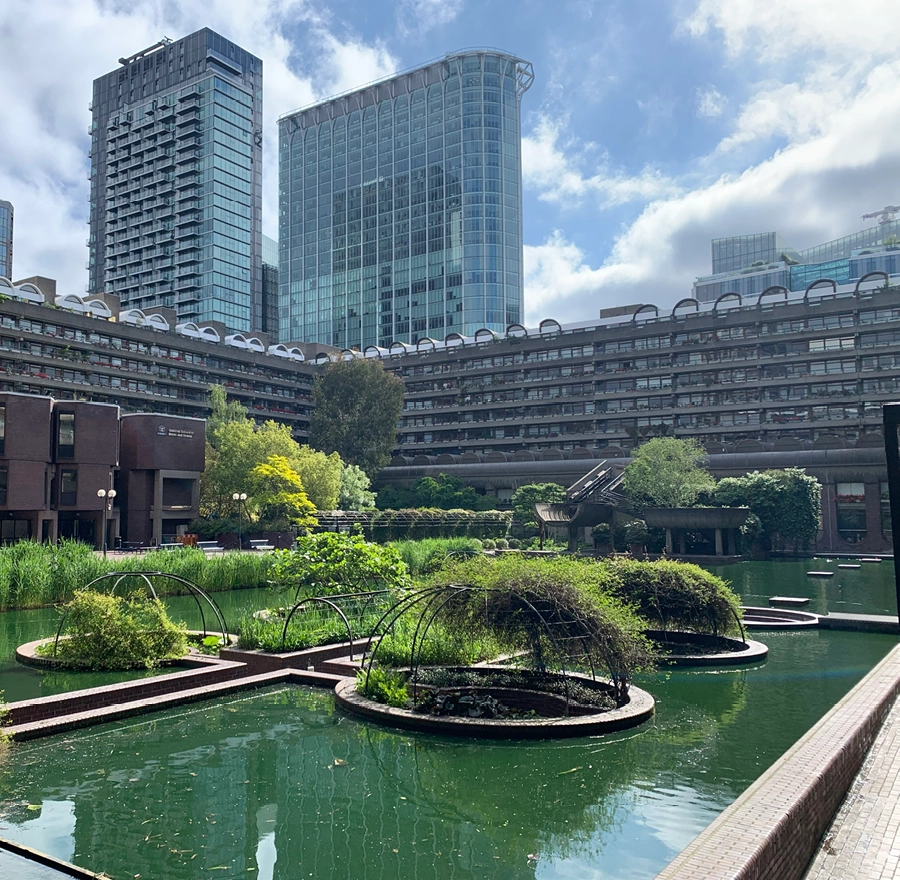
The Barbican works like that. It’s a framework. But it also has purpose. The more time you spend there, the more you notice how much thought went into the details: the influence of the Roman ruins it was built on, echoes of Egyptian columns, the cultural spaces built into its centre. It’s not just concrete for the sake of being bold. It’s design that wants to last.
Good identity work does the same. It sets the tone, but leaves room for people. It takes the long view. If that’s the kind of design thinking you believe in too, we might have something in common.




Wildsmith Skin: Digital intelligence delivers luxury skincare experience
The best products are the ones that feel effortless.


 +44 (0)7360493274